
Financial Preparation for Joint Families: Balancing Multiple Responsibilities
Introduction
Joint families have long been an integral part of Indian society, bringing together multiple generations under one roof and creating a strong support system built on shared values and responsibilities.
While this structure offers emotional strength and collective decisions, it also involves diverse financial priorities. Household expenses, children's education, healthcare needs, business commitments, retirement considerations, and everyday living costs often coexist within the same family framework.
Approaching financial matters with awareness, discipline, and open communication can help families navigate these responsibilities in a balanced manner.
At Creative Financial Services (CFS), we believe that every enduring journey begins with a single, thoughtful step. Just as families grow through shared values and continuity, financial well-being is often shaped by small, consistent actions over time. Understanding the Financial Dynamics of Joint Families
Every joint family is unique. Some may have multiple earning members, while others may rely on a single source of income. Family businesses, agricultural income, professional careers, or salaried employment may all contribute to the household structure.
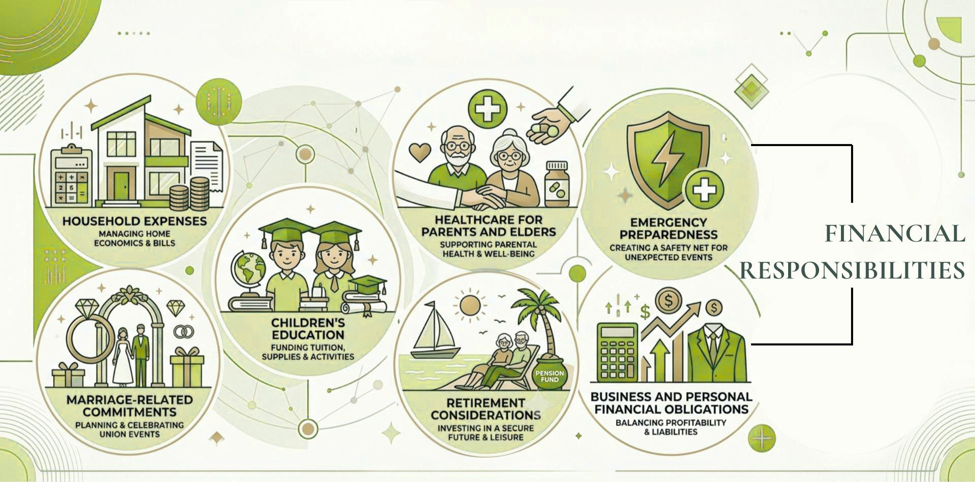
Common responsibilities often include:
Household expenses
Children's education
Healthcare for parents and elders
Marriage-related commitments
Emergency preparedness
Business and personal financial obligations
Retirement considerations
Recognizing these responsibilities collectively can contribute to a more structured and transparent approach.
The Importance of Open Financial Conversations
One of the strengths of joint families is collective participation.
Open discussions about financial priorities can encourage:
🔹Clarity on Household Responsibilities
Understanding recurring expenses and future commitments helps create awareness among family members and reduces misunderstandings.
🔹Respect for Individual Priorities
Each member may have different aspirations, responsibilities, and circumstances. A balanced approach acknowledges these differences while maintaining collective harmony.
🔹Shared Understanding Across Generations
Financial awareness becomes stronger when younger and older generations exchange experiences and perspectives.
Simple conversations can often become valuable opportunities for learning and continuity.

Balancing Present Responsibilities with Future Considerations
Joint families frequently manage immediate requirements while also preparing for future milestones.
These may include: 🔹Children's Education
Education preparation is often a long-term family priority that benefits from thoughtful preparation and awareness.
🔹Healthcare Requirements
Medical emergencies can arise unexpectedly, making awareness around healthcare-related preparedness an important consideration.
🔹Retirement and Senior Care
Supporting elderly family members remains an integral part of many Indian households and requires sensitivity, preparation, and continuity.
Balancing these responsibilities requires patience and a long-term perspective rather than short-term reactions.
Separating Household and Business Finances
In cities such as Indore and nearby regions, many families operate family-owned businesses or entrepreneurial ventures.
Maintaining a distinction between household expenses and business-related finances can contribute to:
Greater transparency
Better understanding of cash allocation
Clearer allocation of responsibilities
Reduced financial confusion within the family structure
This practice may help create greater clarity for both personal and business matters.

Building Emergency Preparedness as a Family
Unexpected situations can affect any household.
Emergency preparedness is not merely about financial arrangements; it also reflects collective awareness and responsibility.
Families may consider discussions around:
Medical emergencies
Temporary income disruptions
Household contingencies
Essential documentation and records
Communication during unforeseen situations
Preparedness often contributes to greater confidence and continuity during changing circumstances.

The Value of Small, Consistent Steps
Many people assume that financial preparation begins only with significant resources or major milestones.
However, enduring habits are frequently built through small and consistent actions.
Whether it is:
Regular savings habits
Maintaining financial records
Open family discussions
Understanding household priorities
Reviewing responsibilities periodically
these practices can contribute to long-term stability and awareness within the family structure.
📖 Related Read
Can ₹500 a Month Make a Difference? Understanding Small Financial Habits
The philosophy of CFS draws inspiration from the legendary Cajueiro de Pirangi—a tree that expanded gradually, took root again, and flourished through patience and continuity.
Similarly, families often build lasting foundations through thoughtful actions repeated over time. Contact Us Page Encouraging Financial Awareness Across Generations
Joint families provide a unique opportunity for intergenerational learning.
Parents, grandparents, and younger family members each bring valuable experiences and perspectives.
Encouraging awareness around:
Responsible financial behaviour
Household priorities
Long-term thinking
Respect for resources
Disciplined habits
can contribute to stronger family values and continuity over time.
Financial awareness is not simply about numbers; it is also about understanding responsibilities and preparing thoughtfully for life's different stages.
Key Takeaways
Joint families often manage multiple financial responsibilities across generations.
Open communication can encourage greater clarity and shared understanding.
Balancing present requirements with future considerations requires patience and continuity.
Separating household and business finances may contribute to greater transparency.
Small, consistent actions often strengthen financial awareness over time.
Intergenerational conversations can support long-term family values and discipline. Frequently Asked Questions
Why is financial preparation important for joint families?
Joint families typically manage multiple responsibilities across different generations. A structured and transparent approach can encourage clarity and collective awareness.
Should household and business finances remain separate?
Many families find that maintaining separate records for household and business activities contributes to better understanding and transparency.
How can families encourage financial awareness among younger generations?
Open conversations, shared responsibilities, and discussions about household priorities can create opportunities for learning and continuity across generations.
What role does emergency preparedness play in joint families?
Preparedness can contribute to continuity during unforeseen circumstances and may help families respond more confidently to changing situations.
Conclusion
Joint families represent continuity, shared values, and collective responsibility.
Balancing multiple priorities requires patience, awareness, and open communication. While every family's circumstances are unique, small and thoughtful actions often create a stronger foundation for future generations.
At CFS, we believe that meaningful journeys are built through discipline, consistency, and respect for both present responsibilities and future aspirations.
Disclaimer
The information provided in this article is for general informational and educational purposes only and should not be construed as investment advice, insurance advice, or a recommendation regarding any financial product or service. Individuals should consider their own circumstances, requirements, and risk appetite before making financial choices.
Mutual fund investments are subject to market risks. Please read all scheme-related documents carefully before investing. Insurance products are the subject matter of solicitation. Terms and conditions apply. Fixed Deposit returns are subject to prevailing interest rates and applicable tax laws.

Comments